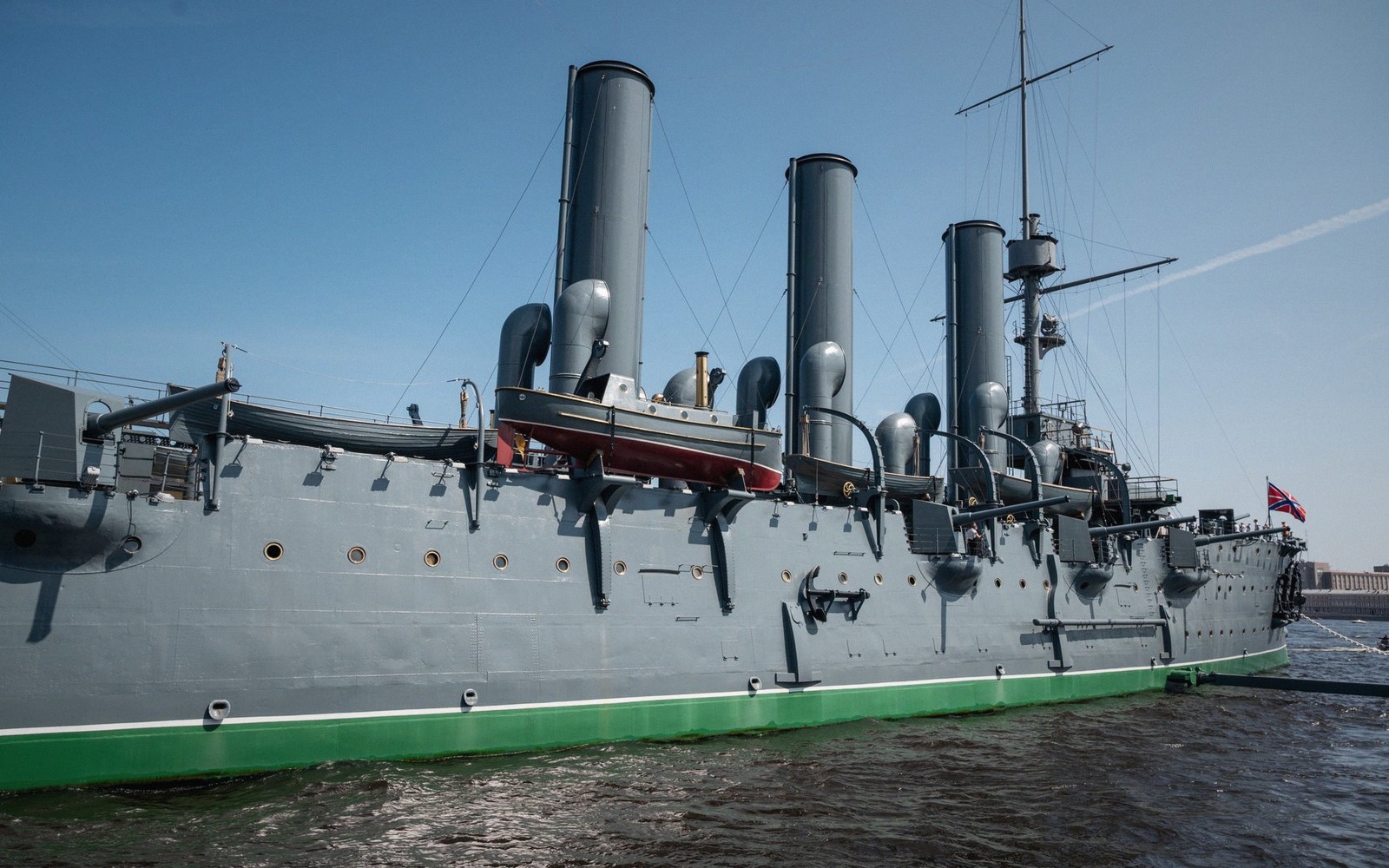
Dreadnought USS Texas (BB-35) · an unofficial enthusiast archive
Sixteen guides · five sections
Browse the whole archive

Section 03 · stated as record

Service History

Where she was, and what role the ship performed. Thirty-four years of it — then the writing returns to the vessel, which is what this archive is actually about.

A service record is a set of dates and postings, and that is how this section treats it. USS Texas was commissioned in March 1914 and decommissioned in April 1948 — thirty-four years in active service, spanning the entire operational era of the battleship, from a type that was brand new to a type that had been superseded twice over.

What makes that record worth stating precisely is not the length of it. It is that no other American battleship which served in both world wars survived into preservation. Her record is the only one of its kind that still has a hull attached to it, which is why the dates below matter to anyone trying to read the ship as a physical object.
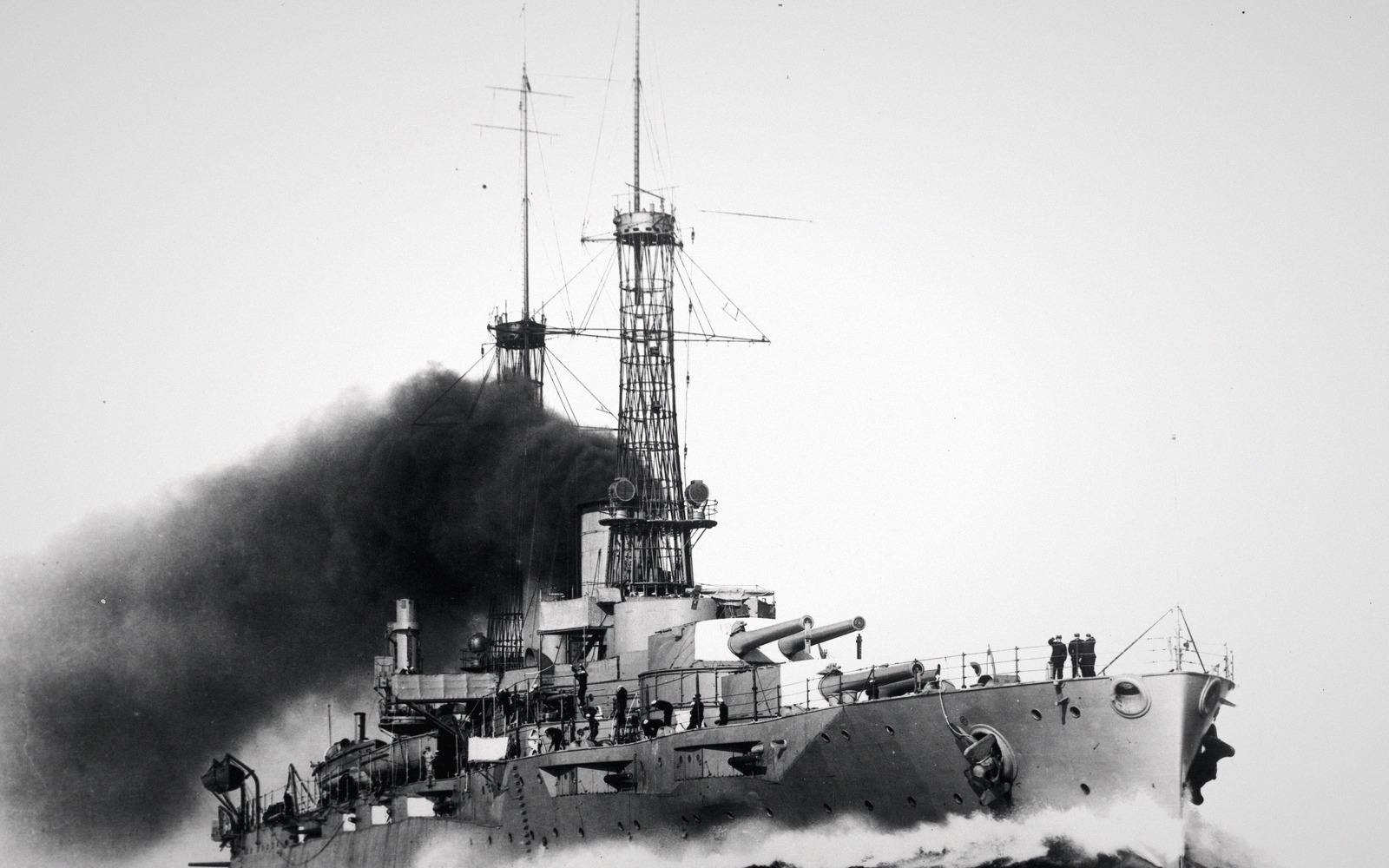
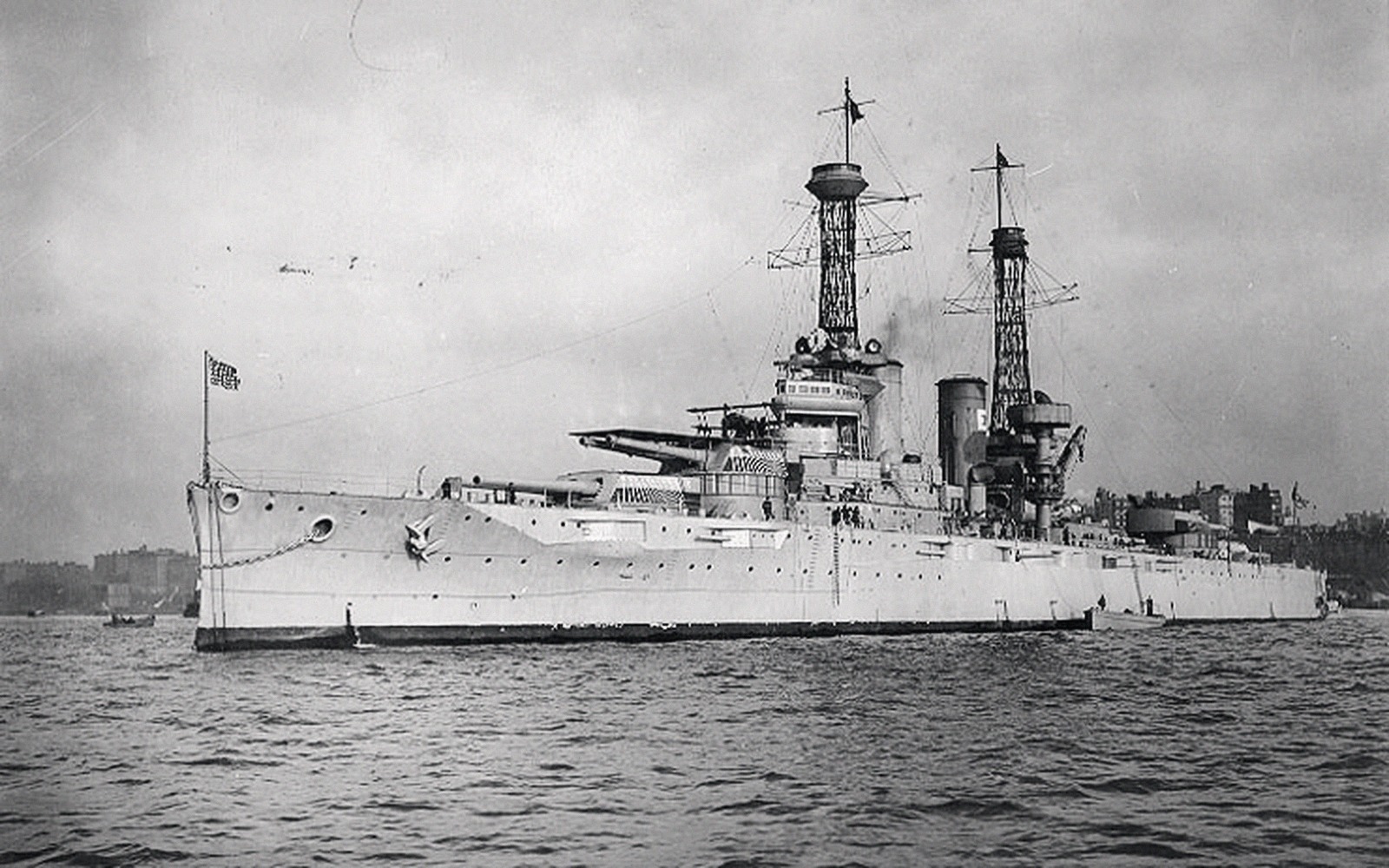
Chronology

Documented dates only
1914commissioned, Norfolk Navy Yard
34years in active service
1948decommissioned; transferred to the State of Texas
2022towed to Galveston for dry-dock hull restoration
  1. 1911Keel laid; construction begins
  2. 12 March 1914Commissioned at Norfolk Navy Yard as a New York-class dreadnought — coal-fired, reciprocating machinery, ten 14-inch guns in five twin turrets
  3. 1917 – 1918Served with Battleship Division Nine, operating under British Admiralty command with the Grand Fleet at Scapa Flow; a deterrent posture rather than a combat one
  4. 1918Among the Allied warships escorting the surrendered German fleet to internment
  5. 1920sCage masts replaced by tripods; anti-torpedo blisters fitted; fire control progressively updated
  6. 1925Coal-to-oil conversion completed — the most consequential single change to her machinery and internal arrangement
  7. 1930sFleet exercises, reviews and training duties: an ageing capital ship still useful, no longer at the cutting edge
  8. November 1942Operation Torch — naval fire support off the Moroccan coast
  9. June 1944Normandy — naval gunfire support at the western end of the Omaha sector
  10. August 1944Operation Dragoon — bombardment force supporting the southern France landings
  11. February – April 1945Iwo Jima and Okinawa — pre-invasion and sustained fire support
  12. April 1948Decommissioned after thirty-four years; transferred to the State of Texas and berthed at the San Jacinto Battleground
  13. 2022Towed unpowered to a Galveston dry dock for the largest investment in her physical survival since commissioning

PLATE 07 — CHRONOLOGY. Postings and dates as documented. Where a role is described, it is the ship's role; this archive does not narrate the engagements themselves.

Three readings of the record

What the dates tell you about the ship
Reading 01
Behind on arrival
Ordered from the knowledge available in 1911 and commissioned in 1914 — by which point turbine propulsion and oil firing were becoming the capital-ship standard. She belonged to the previous chapter at her own commissioning ceremony.
Reading 02
Rebuilt around
Masts, fuel, fire control and anti-aircraft fit were replaced in waves across thirty years, while the riveted hull underneath stayed largely original. The visible ship is a palimpsest; the structure is the oldest thing aboard.
Reading 03
The only survivor
No other American battleship that served in both world wars survives. That turns a long service record into physical evidence of a type of ship, and a type of service, that has otherwise gone entirely.

How this section is written

Read before you write in

This is an engineering and heritage archive, not a war site. Her service is stated as record — where she was, when, and what role the ship performed — and then the writing goes back to the vessel: the machinery that got her there, the weight that accumulated above her waterline, the plating that is still holding water out.

Nothing here dwells on combat, casualties or campaigns, and nothing here is framed as service, recruitment or veterans material. Where a figure is not documented — complement, tonnages, costs — the archive describes the engineering instead of asserting a number.

Corrections with a source are the most useful thing you can send: Corrections & contact.