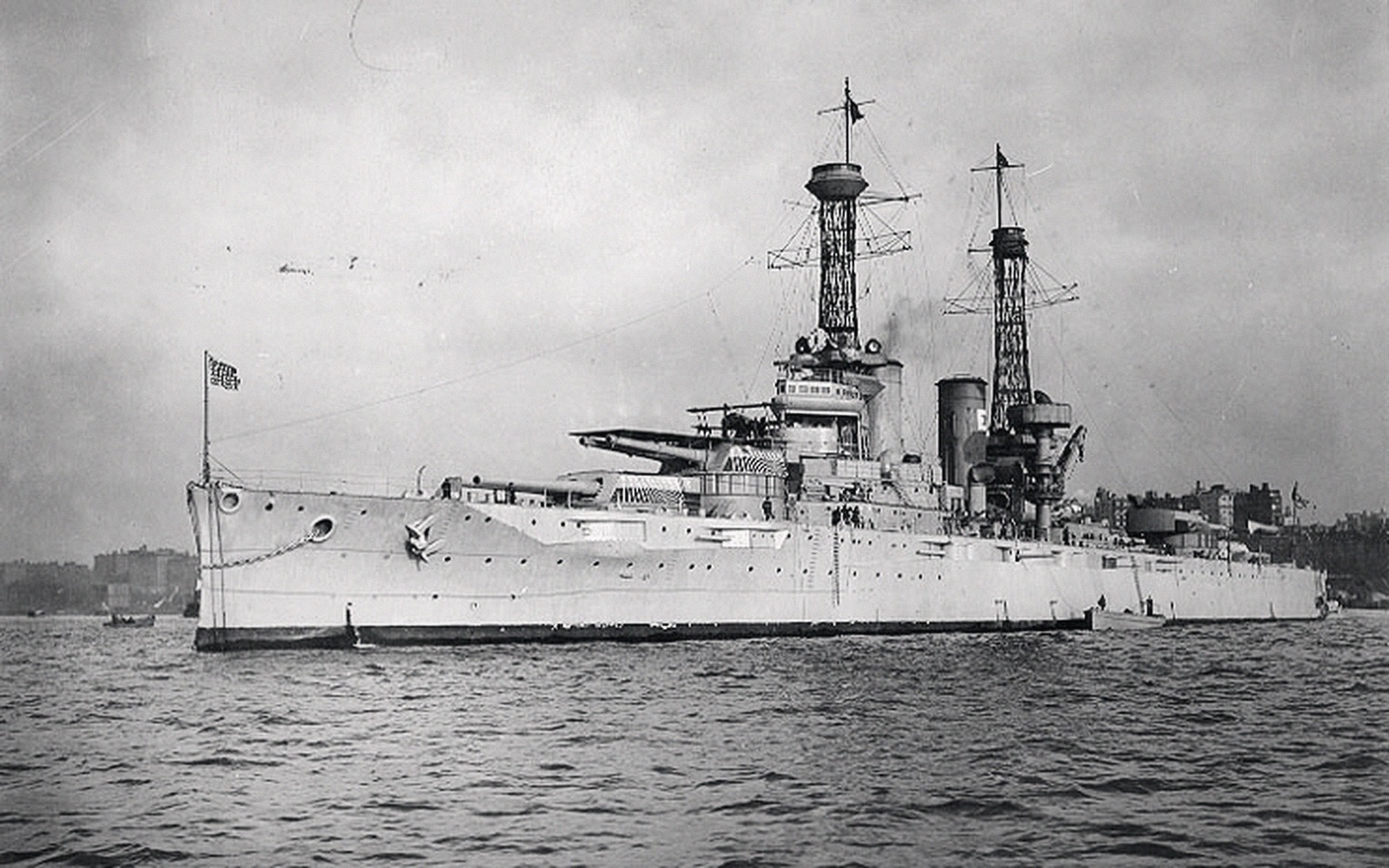
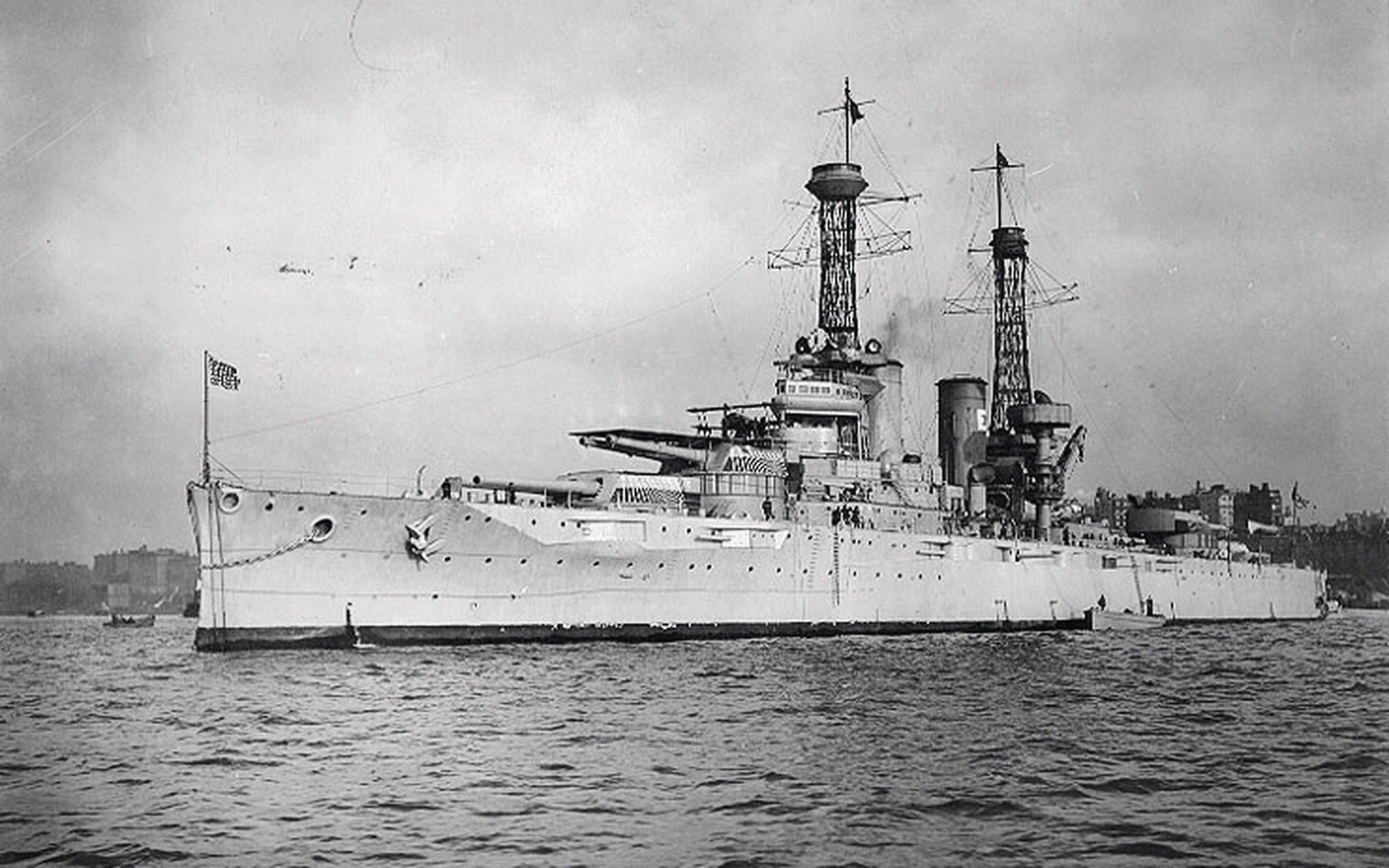
Dreadnought USS Texas (BB-35) · an unofficial enthusiast archive
Sixteen guides · five sections
Browse the whole archive

Section 01 · four guides

The Ship

The steel between her and the Gulf is not a wall. It is five layers, each with one job, each depending on the ones beside it — and each failing in its own way.

This section is the structural one. Everything in it sits somewhere in the thickness of her side, so the way to read it is the way a naval architect draws it: a section through the hull, worked from the water inwards. Shell plating, blister, void, armour belt, machinery space.

Two of those five were not in the original 1914 ship at all. The blister and its void were retrofitted in the 1920s, which means the hull you can inspect today is a 1912 structure with a 1920s answer bolted outboard of it — and the older steel is now the part hardest to reach.
The section through her side

Read outboard to inboard
Waterline
01Shell plating
02Blister
03Void
04Armour belt
05Machinery space
FIG. 1 — MIDSHIP SECTION. Reproduced from supplied material.

One job each, one failure each

The full section guide →
Table 01 — what each layer does, and how it goes wrong
LayerThe jobHow it fails
01 · Shell platingKeep the sea out; carry longitudinal bending load through the riveted seamsThinning. Below a certain thickness a plate stops carrying its share, so remaining thickness matters more than appearance
02 · BlisterStandoff against an underwater weapon; recover stability lost to topside weightIt hides the original plating behind it — poor access, high moisture retention, the worst combination there is
03 · VoidGive a shock somewhere to expand into before it reaches structureWater where there should be air: the protection calculation changes and the load on the main hull rises
04 · Armour beltResist ballistic impact over machinery and magazinesRarely the plate itself — it is the transitions and attachments to framing, where crevice corrosion concentrates
05 · Machinery spaceContain the plant, subdivided so a breach floods one compartmentAnything inboard is only as protected as every layer outboard of it still is

PLATE 08 — LAYER FUNCTIONS. The logic is cumulative: no layer was expected to stop everything alone, which is why deterioration in one changes what all the others can do.

Why the word matters here

The definition →

"Dreadnought" is not a compliment or a size. It names a specific design decision — a uniform heavy battery — and that decision is the reason this ship is shaped the way she is.

1906HMS Dreadnought completed; the standard shifts
1012-inch guns, five twin turrets, and almost nothing else of weight
1914USS Texas commissioned, one generation into the era
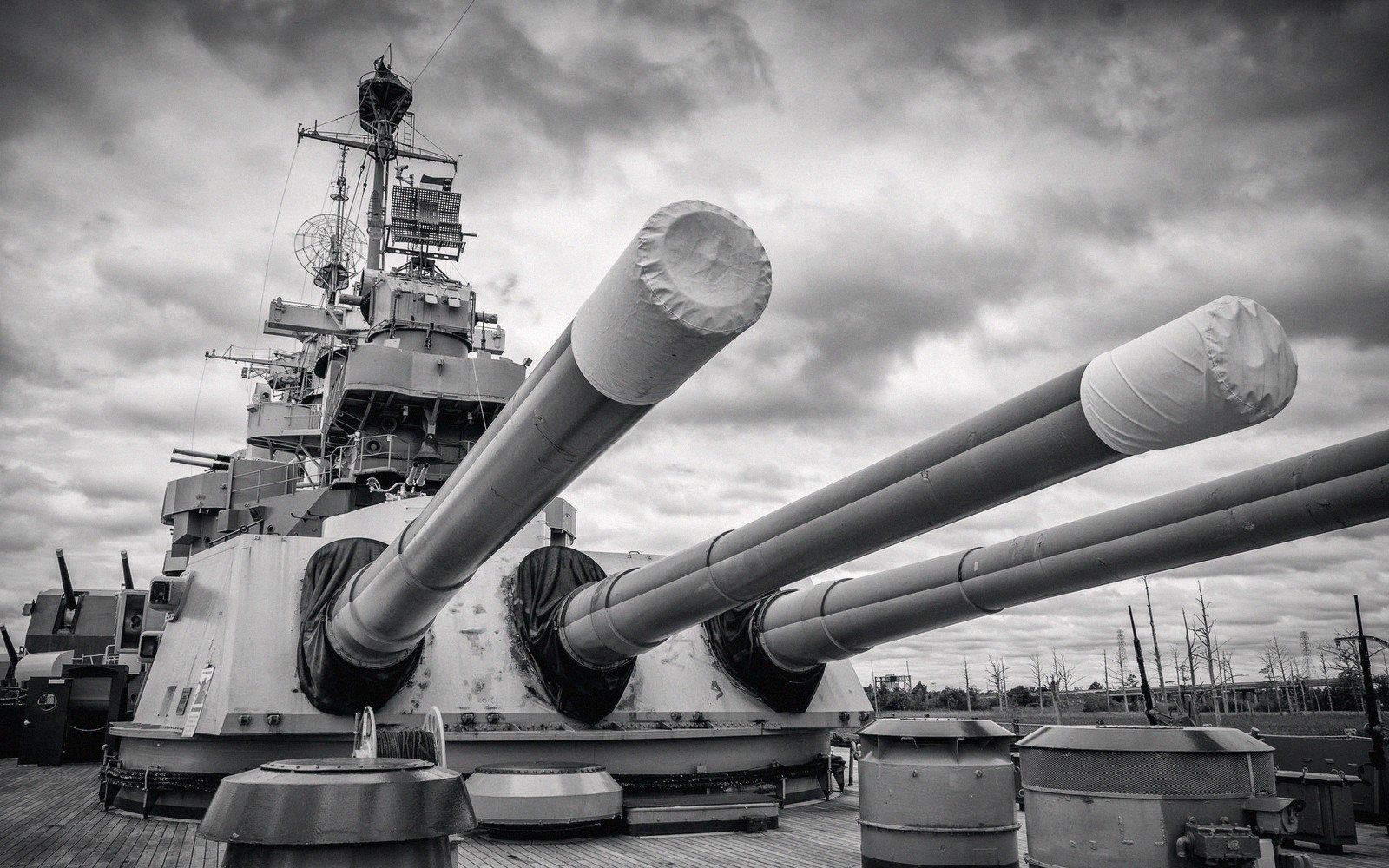
14-inchher own main battery, same principle, larger calibre

The argument for a single calibre was a measuring argument, not a firepower one. A mixed battery threw up splashes you could not tell apart; one calibre meant every fall of shot told you something usable. That is the same problem the fire-control guides deal with, and it is why the battery arrangement and the hull section belong in the same archive.

Where a figure is not documented — plate thicknesses, belt dimensions, compartment counts — this archive describes the engineering rather than asserting a number.