The word named one ship and then renamed an era — because the design made everything before it irrelevant.
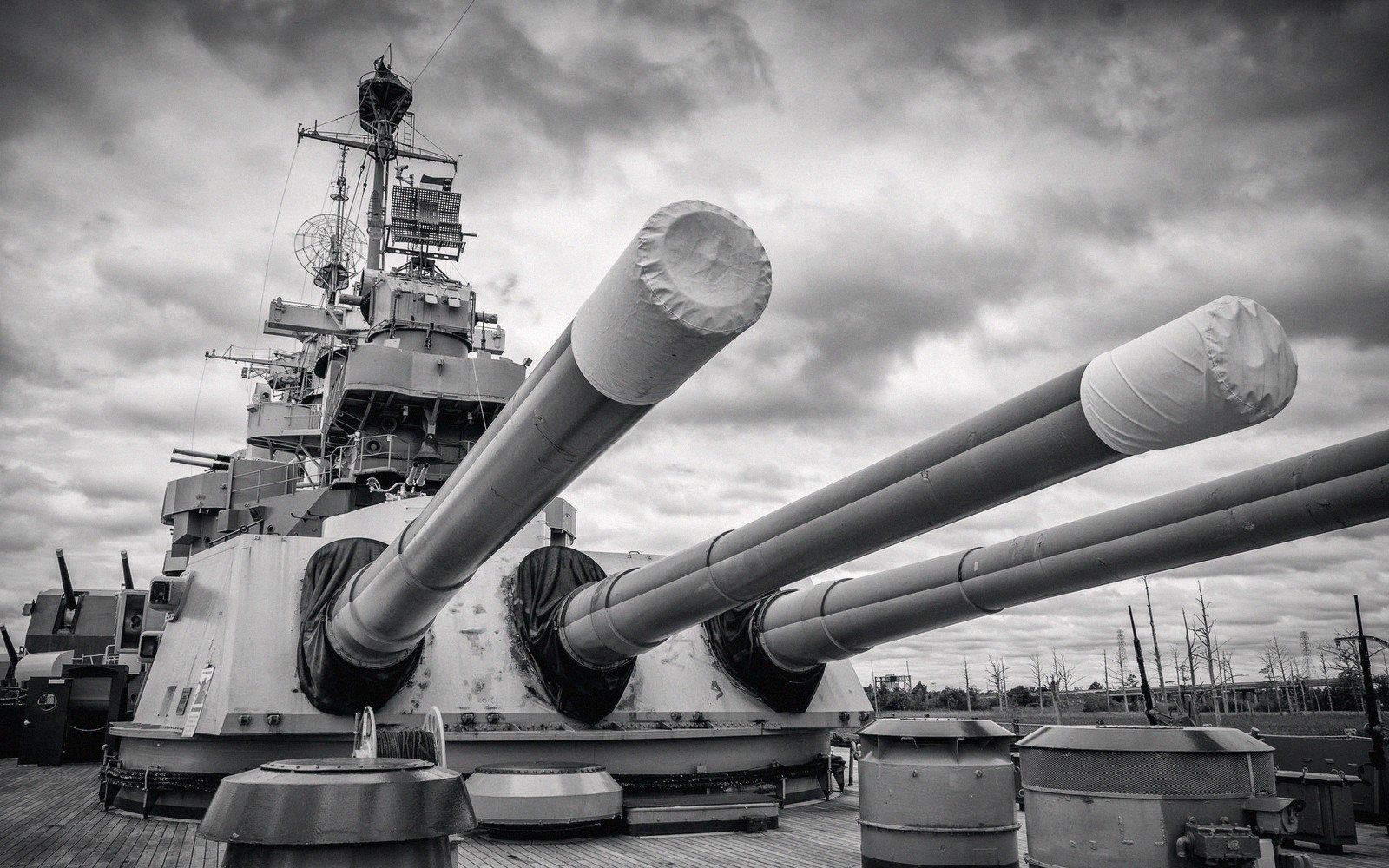
The Ship · 01
What 'Dreadnought' Actually Meant
The word named one ship and then renamed an era — because the design made everything before it irrelevant.
01All-big-gun, and the calculation behind it
Before 1906, a capital ship carried a mixed battery: a few heavy guns for long-range work, a secondary battery of medium guns for closer action, and sometimes lighter weapons besides. The theory was layered firepower across a range of distances. The problem was that a mixed battery was also a mixed headache — different calibres meant different muzzle velocities, different shell arcs, different fall-of-shot splashes, and a fire-control problem that multiplied in complexity with every additional gun size.
HMS Dreadnought, launched in 1906 and completed with unusual speed, swept that problem away. She carried ten 12-inch guns in five twin turrets and almost nothing else of weight. With a single calibre, spotters could read the fall of shot unambiguously — every splash told you something useful, because every splash came from the same gun. The logic was stark: one ship of this type could engage at ranges where a pre-dreadnought's secondary battery was useless, while her own heavy guns remained fully coordinated.
The effect on the existing fleet was immediate and, for every navy that had been building battleships, painful. Every pre-dreadnought became, in the professional judgment of the day, a second-rate ship — not because it had aged, but because the standard had shifted beneath it. Navies counted their strength in hulls; overnight, most of those hulls had been reclassified downward. The Royal Navy, which had built Dreadnought, also bore that cost — but it chose to bear it first, on its own terms.
The effect on the existing fleet was immediate and, for every navy that had been building battleships, painful.
Written from published engineering and heritage sources. Where a figure is not documented, this archive describes the engineering rather than asserting a number.
Key facts · terms used on this page
Plate 03- dreadnought
- battleship type defined by uniform heavy-calibre main battery
- pre-dreadnought
- battleship with mixed heavy and medium gun battery, pre-1906
- fall of shot
- visible splash made when a shell strikes the water, used for fire correction
- mixed battery
- armament combining multiple distinct gun calibres
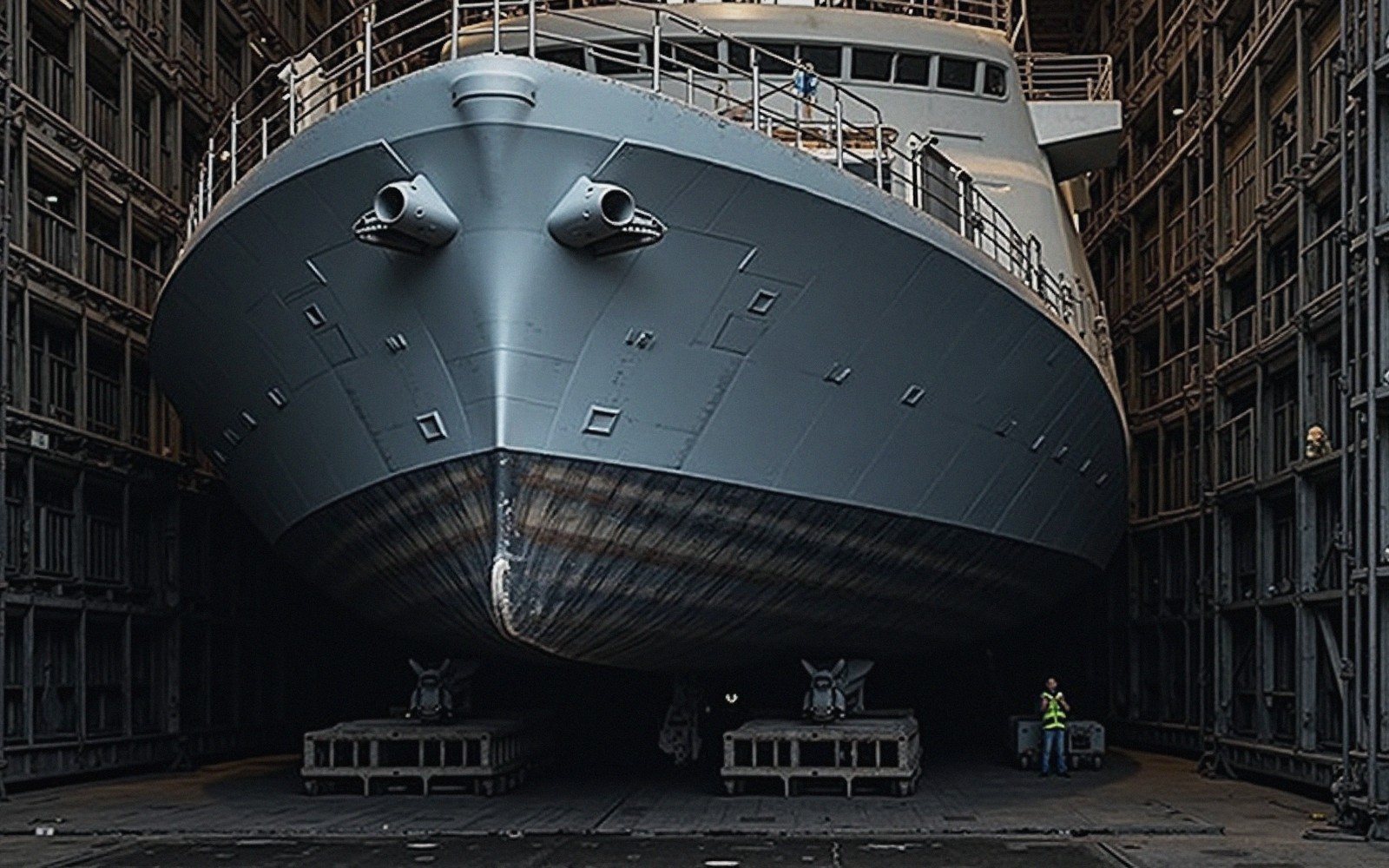
1906year HMS Dreadnought was completed
10number of 12-inch guns carried by HMS Dreadnought
14-inchmain battery calibre of USS Texas
1914year USS Texas was commissioned
Subjects and places referred to
HMS Dreadnought
Referred to on this page
1906 Royal Navy battleship that defined the new capital-ship standard
New York class
Referred to on this page
USS Texas's class designation; two-ship US Navy dreadnought class