The honest answer isn't passion — it's dry-dock access, cash flow, and enough skilled hands to keep the water out today.
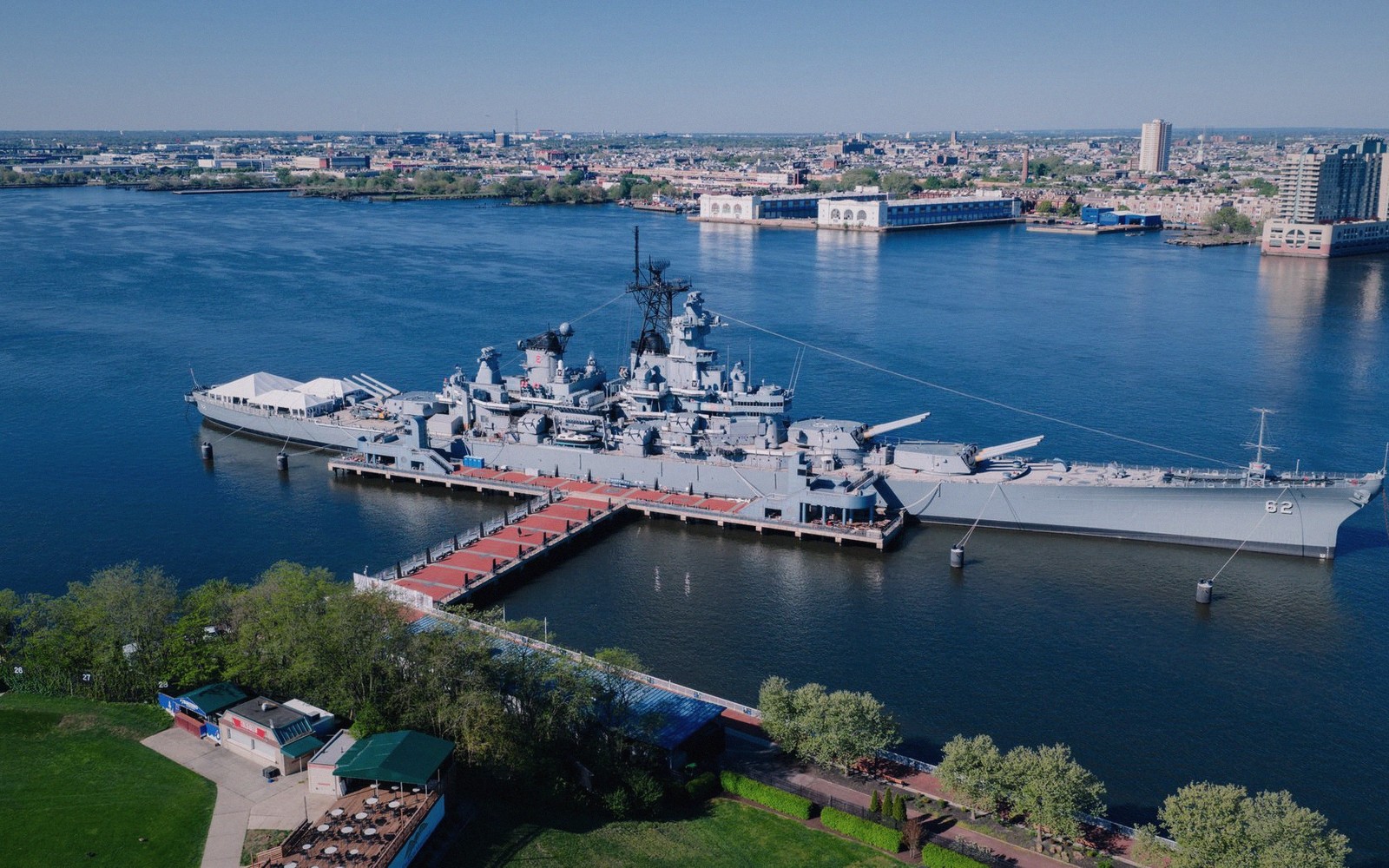
Visiting the Legacy · 05
What Keeps a Museum Ship Alive
The honest answer isn't passion — it's dry-dock access, cash flow, and enough skilled hands to keep the water out today.
01Three Things, in Rough Order of Lethality
A preserved warship is a maintenance problem wearing a history lesson as its hat. The romanticism is real, but it doesn't stop steel from corroding, seams from weeping, or a hull from quietly losing its battle with hydrostatic pressure. Three things decide which museum ships survive a century and which ones slowly settle into the mud.
The first is money — specifically, the kind that arrives reliably rather than in heroic one-off campaigns. Hull-preservation work is never finished. Pumps run every day. Steel plate doesn't wait for a fundraising cycle to close before it fails, and the cost of emergency intervention dwarfs the cost of routine maintenance. Organisations that treat preservation as an ongoing operating expense, not a series of crises, are the ones whose ships remain structurally coherent.
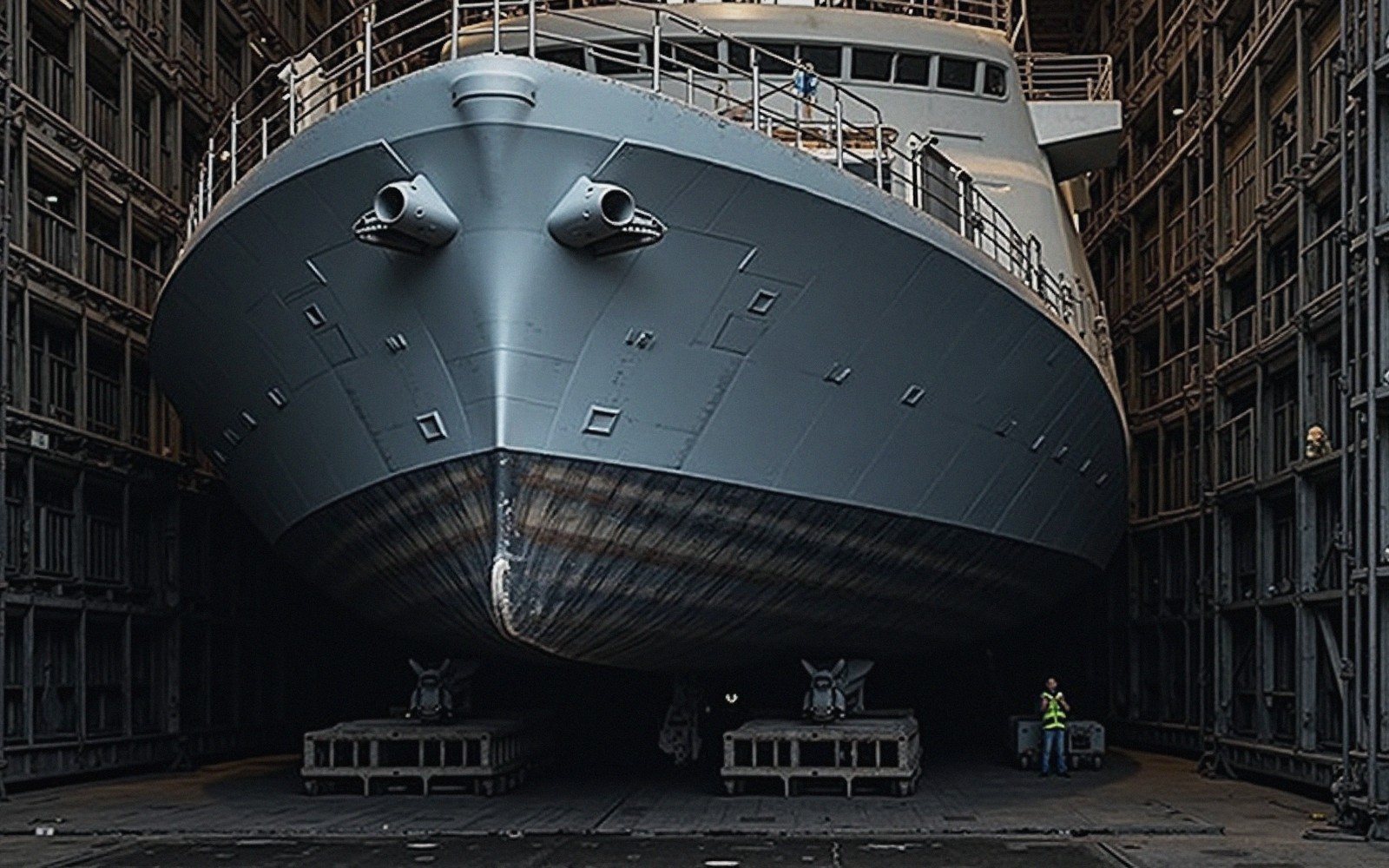
The second is dry-dock access — arguably the binding constraint, because keeping a century-old ship afloat requires periodic inspection and renewal of the underwater hull, and that work simply cannot happen while she's floating. Texas's own tow to a Gulf Coast dry-docking facility stands as the starkest modern illustration: when no local dock exists capable of taking her, the ship must travel, and the logistics of moving a vessel that hasn't moved under her own power in decades are immense.
Three things decide which museum ships survive a century and which ones slowly settle into the mud.
The third is skilled labour — welders, structural engineers, and marine surveyors who understand riveted construction, not just modern practice. Volunteers extend reach, but the technical core must be genuinely qualified.
Written from published engineering and heritage sources. Where a figure is not documented, this archive describes the engineering rather than asserting a number.
Subjects and places referred to
Texas
Referred to on this page
USS Texas (BB-35), New York-class battleship, subject of ongoing hull preservation
Galveston
Referred to on this page
Gulf Coast location associated with Texas's dry-docking programme